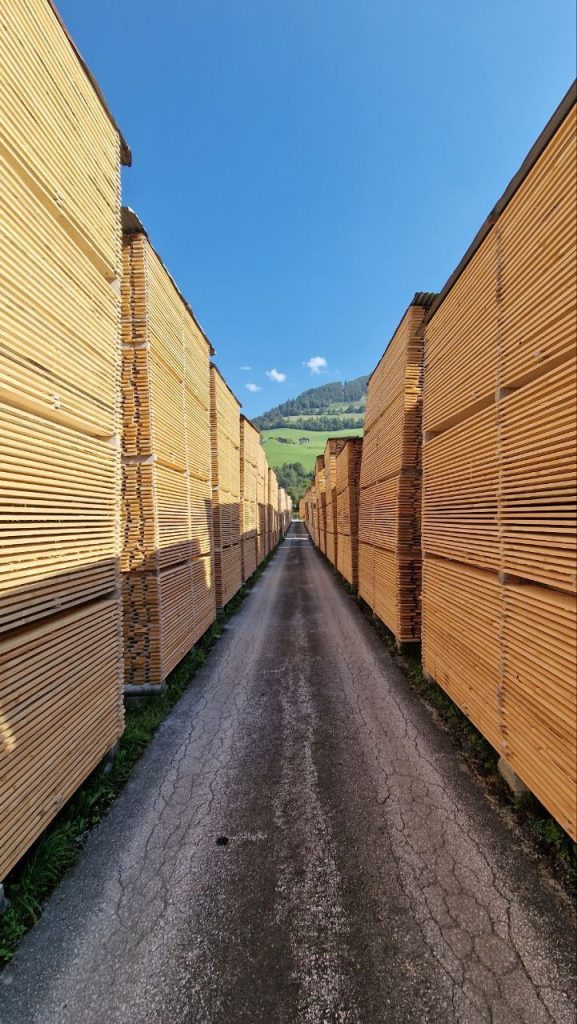
The Russian timber industry is undergoing a strategic shift, with a significant volume of exports being redirected to the Middle East and North Africa (MENA) region following Western sanctions. Softwood exports to this region reached approximately 1.7 million cubic meters in 2024. This move reflects Moscow’s desire to diversify its export destinations, as the MENA region represents a crucial alternative to the European market, which has imposed restrictions on Russian timber. Among importing countries, Egypt is a leading trading partner, having imported around 550,000 cubic meters of Russian timber, reflecting intensified cooperation between Moscow and Cairo. This trend also indicates that Russia is leveraging re-export networks to channel its timber products to countries that still require timber for construction despite sanctions, thus strengthening its influence in the global market. From an environmental perspective, this shift raises questions about Moscow’s commitment to sustainability standards in forestry and the transparency of its supply chains, particularly given calls for policymakers to strengthen the regulatory framework for exports. In the short term, they are betting on strong demand in the region as a result of infrastructure projects and urban renewal, but analysts warn of economic risks if markets suffer volatility or if new fees are imposed.